Our speech therapists are highly trained and experienced professionals dedicated to helping individuals to overcome communication challenges. With expertise in addressing a range of speech and language disorders, our therapists work closely with clients to develop effective communication skills and achieve their goals.
What We Offer
Personalized therapy sessions tailored to each client's unique needs
Expert assessment and diagnosis of communication disorders
Innovative therapy techniques and strategies
Support for individuals with autism, ADHD, and other neurodevelopmental disorders
Collaboration with families and caregivers to ensure progress and success
Our Approach
We believe that effective communication is a fundamental right. Our speech therapists use evidence-based practices to create a supportive and engaging environment that fosters growth and development. Whether you're seeking therapy for yourself or a loved one, we're here to help.
Articulation therapy is a type of speech therapy that focuses on helping individuals improve their ability to pronounce sounds, words, and phrases correctly. It involves exercises and activities designed to strengthen the muscles used in speech and improve the clarity of speech.
a. Articulation therapy can help individuals with:
Articulation therapy is a type of speech therapy that focuses on helping individuals improve their ability to pronounce sounds, words, and phrases correctly. It involves exercises and activities designed to strengthen the muscles used in speech and improve the clarity of speech.
Difficulty pronouncing specific sounds (e.g., "th" or "r")
Speech sound disorders (e.g., substituting one sound for another)
Apraxia of speech (a neurological disorder affecting speech coordination)
Developmental delays or disorders (e.g., childhood apraxia of speech)
A speech-language pathologist (SLP) typically works with individuals to identify and target specific articulation goals, using techniques such as:
Sound repetition
Word repetition
Sentence repetition
Conversation practice
Play-based activities
The goal of articulation therapy is to improve communication effectiveness and increase confidence in speaking.
b. ADHD (Attention Deficit Hyperactivity Disorder).
It's a neurodevelopmental disorder affecting focus, impulse control, and hyperactivity.
Key Symptoms
Inattention: Difficulty focusing, following instructions, or completing tasks.
Hyperactivity: Excessive fidgeting, restlessness, or feeling constantly "on the go".
Impulsivity: Acting without thinking, interrupting others, or blurting out answers.
Key Roles of a Speech Therapist in ADHD
-
Addressing Language & Communication : SLPs help with language processing, organization, & expression.
-
Improving Social Communication : Working on skills like turn-taking, listening, & understanding social cues.
-
Executive Function Skills : SLPs support planning, organization, & time management through strategies & tools.
-
Pragmatic Language : Helping with skills like initiating conversations, staying on topic, & understanding nonverbal cues.
Techniques Used
-
Cognitive-Behavioural Strategies : To manage impulsivity & improve focus.
-
Visual Supports : Using schedules, reminders, or charts to aid organization.
-
Role-Playing : Practicing social interactions & conversation
Benefits
Boosts confidence in communication
Enhances academic & social interactions
Supports overall ADHD management
c. Hearing loss
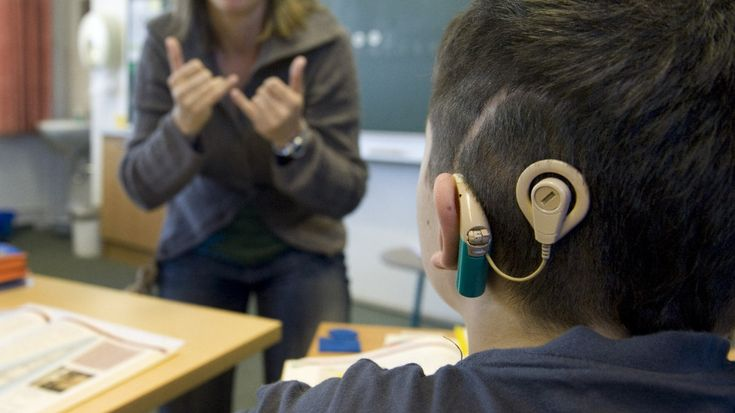
Hearing loss is when a person has reduced ability to hear sounds — either partially (hard of hearing) or totally (deafness).
Key Roles of a Speech Therapist in Hearing Loss
-
Speech & Language Development* : SLPs work on speech production, language skills, & communication strategies.
-
Hearing Rehabilitation : Therapy focuses on maximizing residual hearing & adapting to hearing aids/cochlear implants.
-
Auditory Training : SLPs help develop listening skills & auditory processing abilities.
-
Communication Strategies : Teaching techniques like lip-reading, speechreading, or using visual cues.
Techniques Used
-
Auditory-Verbal Therapy : Focuses on using residual hearing for speech & language development.
-
Speechreading Training : Enhancing ability to understand speech through visual cues.
-
Communication Strategies : Teaching effective communication techniques for daily interactions.
Benefits
Improves communication skills
Enhances listening & comprehension
Supports social interactions & relationships